
Dental
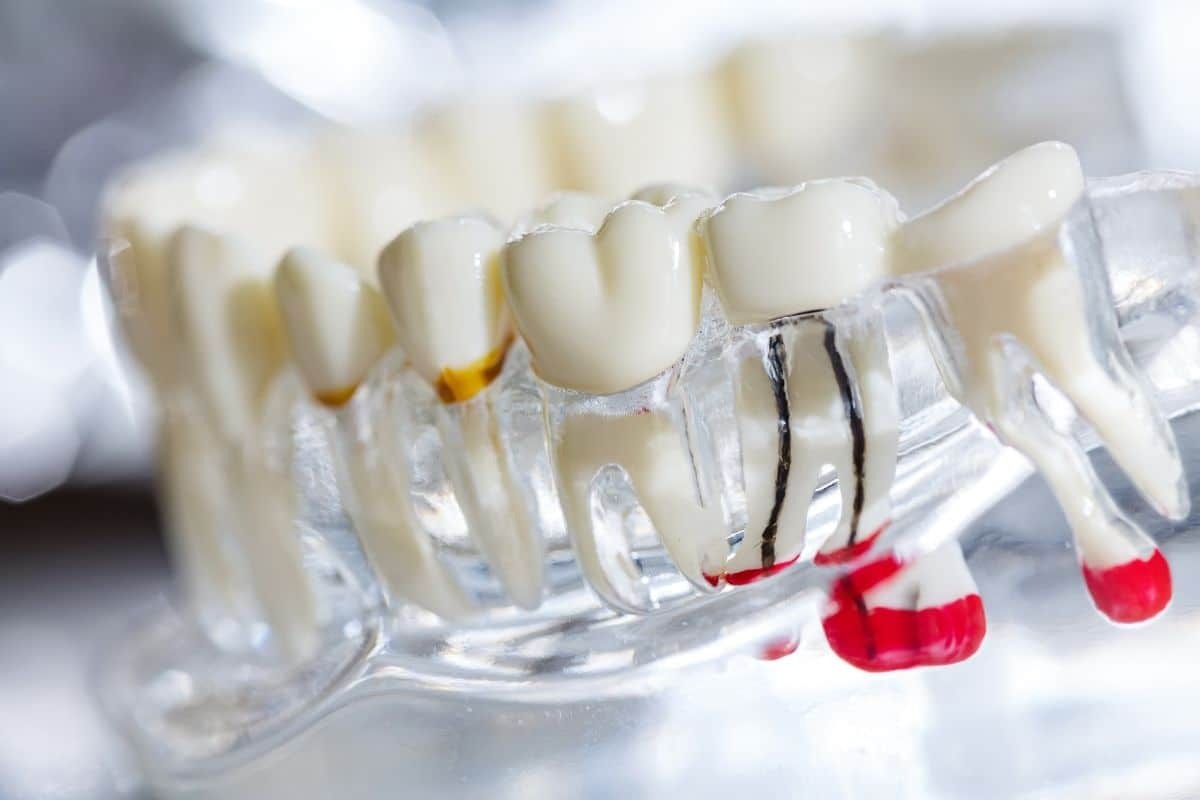
Why Root Canal Treatment Preserves Your Natural Teeth Better Than Extraction
Understanding the Value of Your Natural Teeth
When faced with a severely damaged or infected tooth, many patients find themselves at a crossroads between two treatment options: root canal therapy with an endodontist Buckinghamshire or extraction. Whilst the thought of simply removing the problematic tooth might seem like the quickest solution, the reality is that preserving natural teeth offers significant long-term advantages that extend far beyond immediate relief. The choice between these treatments represents a crucial decision that can affect oral health, facial structure, and quality of life for decades to come.
Natural teeth are remarkable biological structures that have evolved over millions of years to perform their functions with extraordinary efficiency. Each tooth is anchored into the jawbone through a complex system of roots and ligaments that not only hold it firmly in place but also stimulate the surrounding bone tissue. This stimulation is essential for maintaining bone density and preventing the gradual deterioration that inevitably follows tooth loss. When a tooth is extracted, this vital connection is severed, setting in motion a cascade of changes that can compromise the integrity of the entire dental arch.
The Biological Advantages of Root Canal Treatment
Root canal therapy works by removing infected or damaged pulp tissue from within the tooth whilst preserving the tooth’s structure and its connection to the jawbone. This approach maintains the natural relationship between tooth and bone, ensuring continued stimulation of the surrounding tissues. An endodontist can perform this procedure with precision, utilising advanced techniques that maximise the chances of long-term success whilst minimising discomfort.
The preservation of the tooth root is particularly significant because it prevents the bone resorption that commonly occurs following extraction. Studies have consistently demonstrated that extracted teeth lead to a progressive loss of bone volume in the affected area, which can alter facial appearance and create challenges for future dental restorations. By maintaining the natural tooth structure, root canal treatment effectively prevents these complications whilst allowing patients to retain their authentic smile.
Functional Benefits That Matter
Maintaining Proper Bite Alignment
One of the most significant advantages of preserving natural teeth through root canal treatment is the maintenance of proper bite alignment. When a tooth is extracted, the decision between root canal and extraction becomes particularly important because neighbouring teeth gradually shift towards the gap, potentially causing misalignment throughout the dental arch.
This shifting can lead to bite problems, jaw pain, and increased wear on remaining teeth. Root canal treatment eliminates these concerns by keeping the natural tooth exactly where it belongs, preserving the precise spacing and alignment that nature intended.
Superior Chewing Efficiency
Natural teeth provide unmatched chewing efficiency compared to any artificial replacement. The proprioceptive feedback from natural tooth roots allows individuals to gauge bite force accurately, protecting both the teeth and jaw joints from excessive stress. This sensory information is lost when a tooth is extracted, even if replaced with an implant or bridge. Root canal-treated teeth retain this vital feedback mechanism, enabling patients to eat comfortably and confidently without concern.
Economic Considerations Over Time
Whilst some patients initially perceive extraction as a more economical option, the long-term financial implications tell a different story. Tooth extraction typically requires replacement with a dental implant, bridge, or denture to prevent the complications associated with missing teeth. These replacement options involve additional procedures, materials, and ongoing maintenance costs that can substantially exceed the cost of root canal treatment.
Furthermore, preserving natural teeth through endodontic treatment eliminates the potential need for bone grafting procedures that may become necessary before implant placement, particularly if significant time has elapsed since extraction. The investment in saving a natural tooth through root canal therapy often proves more cost-effective when considering the complete picture of dental care over a lifetime.
Aesthetic and Psychological Benefits
The psychological impact of retaining natural teeth should not be underestimated. Many patients report greater confidence and satisfaction when they know their smile consists of their own teeth rather than artificial replacements. Root canal-treated teeth can be restored to look and function identically to untreated teeth, maintaining the authentic appearance of the smile without the concerns that sometimes accompany prosthetic options.
Additionally, comparing root canal treatment to extraction reveals that preserving natural teeth helps maintain facial structure and prevents the sunken appearance that can develop following multiple extractions. The support provided by natural tooth roots contributes to proper facial contours and a more youthful appearance over time.
Making the Right Choice for Long-Term Oral Health
The evidence overwhelmingly supports root canal treatment as the superior option for preserving natural teeth whenever possible. By maintaining the biological, functional, and aesthetic benefits of natural teeth, endodontic therapy offers patients the best opportunity for long-term oral health and quality of life. Whilst extraction may occasionally be necessary in cases of severe damage, the advantages of saving natural teeth through root canal treatment make it the preferred choice for both patients and dental professionals committed to optimal outcomes.

How Dental Implants Maintain Proper Tooth Spacing and Prevent Unwanted Orthodontic Shifts Throughout Your Lifetime
Understanding the Domino Effect of Tooth Loss
When a tooth goes missing, the consequences extend far beyond the obvious gap in one’s smile. The human mouth operates as a carefully balanced ecosystem, where each tooth plays a vital role in maintaining the structural integrity of the entire dental arch. Without intervention, the absence of even a single tooth can trigger a cascade of orthodontic complications that worsen progressively over time. Adjacent teeth begin to drift into the empty space, whilst opposing teeth may start to over-erupt, creating a misalignment that affects bite function and jaw health.
The phenomenon of dental drift occurs because teeth naturally seek contact with their neighbours. When that contact disappears, the surrounding teeth lose their structural support and begin to shift. This movement can happen gradually over months or years, but the results are often significant. Patients may experience changes in their bite pattern, increased difficulty chewing, jaw pain, and even alterations to their facial structure. Understanding these risks highlights why replacing missing teeth promptly is essential for long-term oral health. This is where dental implants Thames Ditton come in.
The Biomechanical Advantage of Implant-Supported Restoration
Unlike traditional bridges or dentures, oral implant practices offer function as artificial tooth roots that integrate directly with the jawbone. This osseointegration process creates a stable foundation that mimics natural tooth structure remarkably well. The implant post, typically crafted from biocompatible titanium, fuses with the surrounding bone tissue over several months, establishing a permanent anchor point that resists the forces of mastication and prevents neighbouring teeth from drifting.
The strategic placement of oral implants effectively fills the void left by missing teeth, maintaining the proper spacing that nature intended. This restoration of structural continuity ensures that adjacent teeth remain in their correct positions, preserving the alignment achieved through years of natural development or previous orthodontic treatment. Research demonstrates the effectiveness of implants in preventing neighbouring tooth movement, confirming their role as a superior long-term solution for tooth replacement.
Preserving Bone Density and Facial Structure
Beyond maintaining tooth spacing, oral implants address another critical concern: bone resorption. When a natural tooth root is lost, the jawbone in that area no longer receives the mechanical stimulation necessary to maintain its density. This lack of stimulation triggers a process called bone remodelling, where the body gradually reabsorbs the unused bone tissue.
The consequences of bone loss extend beyond aesthetics. As the jawbone shrinks, it can alter facial proportions, creating a sunken appearance that ages the face prematurely. Additionally, bone loss in one area can compromise the stability of adjacent teeth, as their roots lose the supportive foundation they require. Oral implants counteract this process by providing the mechanical stimulation that signals the body to maintain bone density, preserving both facial structure and the stability of surrounding teeth.
Long-Term Stability Compared to Alternative Solutions
Traditional tooth replacement options, whilst useful in certain circumstances, cannot match the comprehensive benefits that implants provide. Removable dentures rest on the gum surface without anchoring into the bone, offering no resistance to bone resorption or tooth migration. Fixed bridges require the modification of healthy adjacent teeth to serve as anchors, which can compromise their long-term viability. Neither solution addresses the underlying biomechanical issues that arise when tooth roots are absent.
The permanence of oral implants offers distinct advantages for maintaining orthodontic stability throughout one’s lifetime. Clinical studies on implant success rates and bone preservation demonstrate impressive longevity when properly maintained. With appropriate oral hygiene and regular professional care, implants can function effectively for decades, providing continuous support that keeps teeth properly aligned and prevents the gradual shifts that would otherwise occur.
Factors Influencing Implant Success
Several considerations determine the effectiveness of implants in maintaining tooth spacing. The timing of implant placement matters significantly, as prolonged delays allow bone loss and tooth migration to progress. The precise positioning of the implant affects how forces distribute across the dental arch. Proper spacing optimisation ensures excellent aesthetic and functional outcomes, requiring careful planning and skilled execution.
Patient factors also influence success rates. Adequate bone density at the implant site, good overall health, and commitment to maintaining excellent oral hygiene all contribute to favourable long-term results. Individuals with certain medical conditions or lifestyle habits may require additional considerations during treatment planning.
Protecting Your Investment in Oral Health
The decision to pursue implant treatment represents a significant commitment to long-term dental health. By replacing missing teeth with implants, patients actively prevent the orthodontic complications that would otherwise develop over time. This proactive approach maintains proper tooth spacing, preserves facial aesthetics, and protects the substantial investment many people make in their smiles through orthodontic treatment. The stability that implants provide ensures that teeth remain where they belong, supporting optimal function and appearance throughout one’s lifetime.

Understanding How Dental Ergonomics Improves Treatment Outcomes and Patient Comfort
The Hidden Science Behind Comfortable Dental Care
When patients settle into the dental chair, they rarely consider the intricate dance of positioning, posture, and equipment arrangement taking place around them. Yet dental ergonomics represents a fascinating intersection of biomechanics, workplace design, and patient care that profoundly influences both treatment quality and comfort. This sophisticated approach to dental practice design extends far beyond simple convenience, shaping outcomes in ways that benefit everyone involved in the clinical environment.
The relationship between ergonomic practice and patient experience operates through multiple channels. When dental professionals maintain optimal posture and positioning, they achieve greater precision in their work whilst reducing fatigue that might otherwise compromise attention to detail. This translates directly into smoother procedures, fewer complications, and a more relaxed atmosphere that patients can sense instinctively.
The Biomechanics of Modern Dental Practice
Modern dentistry demands sustained periods of focused work in confined spaces, often requiring practitioners to maintain awkward positions whilst performing delicate procedures. Without proper ergonomic considerations, these physical demands can lead to musculoskeletal disorders that plague the profession. Research on musculoskeletal disorders amongst dental practitioners reveals the extent of these challenges and their impact on clinical performance.
The principles of dental ergonomics address these challenges through careful attention to equipment positioning, chair height adjustment, and patient positioning protocols. When a dentist Balwyn practitioners visit implements these principles properly, the entire clinical workflow transforms. Instruments fall naturally to hand, lighting illuminates the treatment area without strain, and the practitioner’s body maintains neutral positions that can be sustained comfortably throughout lengthy procedures.
Patient Positioning and Comfort Considerations
Whilst much ergonomic focus centres on practitioner wellbeing, patient positioning represents an equally crucial component of the ergonomic equation. The dental chair itself serves as the foundation for this relationship, with modern designs offering sophisticated adjustment capabilities that accommodate diverse body types and clinical requirements.
Proper patient positioning achieves several simultaneous objectives. It provides the dental team with optimal access to the treatment area whilst ensuring the patient remains comfortable throughout the procedure. This balance proves particularly important during extended treatments, where patient movement or discomfort can compromise clinical outcomes and necessitate additional appointments.
The Four-Handed Dentistry Approach
The evolution of four-handed dentistry exemplifies ergonomic principles in action. This methodology positions the dental assistant as an integral partner in the treatment process, with both practitioners working in coordinated harmony around the patient. The arrangement reduces unnecessary movement, minimises instrument transfer time, and allows the primary clinician to maintain optimal posture throughout procedures.
This collaborative approach yields tangible benefits for patient comfort. Procedures progress more smoothly, with fewer interruptions and repositioning requirements. The reduced treatment time naturally decreases patient anxiety and physical discomfort associated with prolonged appointments. Furthermore, the seamless coordination between team members creates a sense of professionalism and competence that enhances patient confidence.
Equipment Design and Clinical Workflow
Contemporary dental equipment manufacturers increasingly incorporate ergonomic principles into their designs. Adjustable delivery systems, balanced handpieces, and strategically positioned lighting all contribute to creating workspaces that support rather than hinder clinical excellence. The American Dental Association’s workplace ergonomics resources provide comprehensive guidance on optimising these elements within clinical settings.
The arrangement of treatment rooms themselves plays a crucial role in ergonomic practice. Thoughtful layout design ensures that frequently used items remain within easy reach, reducing repetitive reaching and twisting movements. This attention to spatial organisation benefits patients through shorter appointment times and more focused attention from their dental team.
Long-Term Benefits for Practice Sustainability
Beyond immediate treatment outcomes, ergonomic practices contribute to the long-term sustainability of dental practices. When practitioners avoid the physical strain and injury that plague the profession, they maintain their clinical skills and enthusiasm throughout longer careers. This continuity of care proves invaluable for patients who value ongoing relationships with their dental providers.
The international guidelines on dental ergonomics and posture emphasise these broader implications, recognising that practitioner wellbeing directly influences patient care quality. A dentist Balwyn patients trust demonstrates this understanding through practice design choices that prioritise both team and patient comfort.
The Future of Ergonomic Dental Care
As dental ergonomics continues evolving, patients can expect increasingly comfortable and efficient treatment experiences. The integration of ergonomic principles throughout modern dental practices represents a commitment to excellence that extends beyond technical skill, encompassing the entire care environment. This holistic approach to practice design ultimately serves everyone who enters the dental surgery, creating spaces where optimal outcomes and genuine comfort coexist naturally.

Understanding the Psychological Benefits of Wearing Removable Aligners During Treatment
The Hidden Advantages of Modern Orthodontic Solutions
Orthodontic treatment has evolved considerably over the past few decades, transforming from a purely functional medical intervention into a holistic experience that addresses both physical and psychological wellbeing. Whilst the primary objective of teeth straightening remains the correction of misalignment and bite issues, the psychological impact of the treatment method itself has become increasingly recognised within dental communities.
Invisalign Leicester represent a significant departure from traditional fixed braces, offering patients a discreet and flexible approach to achieving their ideal smile. The psychological benefits associated with this modern treatment option extend far beyond mere aesthetics, influencing self-perception, social confidence, and overall quality of life throughout the treatment journey.
Confidence and Self-Esteem During Treatment
The Discretion Factor
One of the most profound psychological advantages of removable aligners lies in their near-invisible appearance. Unlike conventional metal braces, which can make wearers feel self-conscious during social and professional interactions, clear aligners allow patients to undergo treatment without drawing unwanted attention to their teeth. This discretion proves particularly valuable for adults who may have delayed orthodontic treatment due to concerns about appearing unprofessional or feeling embarrassed in workplace settings. Research has demonstrated that orthodontic treatment can significantly improve psychological wellbeing and social confidence, with removable aligners offering these benefits without the aesthetic compromise of traditional braces.
Control and Autonomy
The removable nature of these aligners grants patients a degree of control that fixed appliances simply cannot provide. This sense of autonomy contributes meaningfully to psychological comfort, as individuals can temporarily remove their aligners for important events, photographs, or meals. Such flexibility reduces anxiety around special occasions and allows patients to maintain their normal routines with minimal disruption. For those seeking treatment options such as Invisalign Leicester providers offer, this control factor often proves decisive in their choice of orthodontic solution.
Social Interactions and Quality of Life
Maintaining Natural Communication
Traditional braces can affect speech patterns and create initial difficulties with pronunciation, potentially causing embarrassment during conversations. Removable aligners, whilst requiring a brief adjustment period, typically interfere less with natural speech patterns.
This linguistic freedom allows patients to communicate confidently in both personal and professional settings, reducing the social anxiety that sometimes accompanies orthodontic treatment. The ability to speak naturally without metallic impediments contributes significantly to maintaining one’s sense of identity throughout the treatment process.
Dietary Freedom and Social Dining
The psychological burden of dietary restrictions associated with fixed braces should not be underestimated. Patients with traditional braces often experience anxiety around mealtimes, particularly in social settings where food choices become limited and the risk of food becoming trapped in brackets creates embarrassment.
Removable aligners eliminate these concerns entirely, allowing patients to enjoy their favourite foods without restriction or worry. This freedom extends to social gatherings, business lunches, and romantic dinners, where individuals can remove their aligners discreetly and participate fully in the social experience without drawing attention to their orthodontic treatment.
Long-Term Psychological Outcomes
Reduced Treatment Anxiety
Studies have shown that patient satisfaction with clear aligner therapy remains consistently high throughout treatment duration. The predictable nature of removable aligner treatment, often accompanied by digital treatment planning that shows expected outcomes, helps reduce anxiety about the unknown. Patients can visualise their progress and final results, creating positive psychological reinforcement that sustains motivation throughout the treatment period. Furthermore, research into quality of life during orthodontic treatment indicates that removable aligners cause less disruption to daily activities compared to conventional methods.
Building Positive Dental Relationships
The experience of undergoing orthodontic treatment with removable aligners often fosters a more positive relationship with dental care generally. Patients who feel comfortable and confident during their treatment journey are more likely to maintain regular dental appointments and prioritise oral health long after treatment concludes. This psychological shift towards proactive dental care represents a lasting benefit that extends well beyond the physical correction of tooth alignment.
Final Thoughts on Psychological Wellbeing
The psychological benefits of removable aligners during orthodontic treatment represent a compelling argument for their selection over traditional methods. From enhanced self-confidence and social ease to greater autonomy and reduced anxiety, these advantages contribute meaningfully to overall wellbeing throughout the treatment journey. As dental professionals continue to recognise the importance of psychological comfort in patient care, removable aligners stand out as a solution that honours both the physical and emotional needs of those seeking to improve their smiles.
Revolutionising Dental SEO with Virtual Storyscapes
The Digital Transformation of Dental Marketing
The dental industry stands at a fascinating crossroads where traditional healthcare meets cutting-edge digital innovation. Practices across the UK are discovering that conventional marketing approaches no longer suffice in capturing the attention of prospective patients. Enter virtual storyscapes – an immersive approach that transforms how dental practices engage with their communities through compelling digital narratives.
Virtual storyscapes represent a paradigm shift in dental SEO strategies, moving beyond static keywords and basic content optimisation towards dynamic, experience-driven storytelling. These digital environments create emotional connections between practices and potential patients, weaving together patient testimonials, treatment journeys, and practice personalities into cohesive online experiences that resonate deeply with audiences.
Understanding Virtual Storyscapes in Dental Practice
Virtual storyscapes encompass a comprehensive digital ecosystem where every element of a practice’s online presence contributes to a unified narrative. Rather than treating website pages, social media posts, and search engine listings as separate entities, these storyscapes integrate them into a seamless journey that guides potential patients from initial awareness through to booking appointments.
The concept draws inspiration from experiential marketing, where brands create memorable encounters that forge lasting relationships with consumers. For dental practices, this translates into crafting authentic stories about patient transformations, showcasing the human side of dental care, and demonstrating genuine expertise through educational content that addresses common concerns and anxieties.
Components of Effective Virtual Storyscapes
Successful virtual storyscapes incorporate several key elements that work synergistically to enhance search engine visibility whilst providing meaningful value to visitors. These components include interactive treatment guides that walk patients through procedures step-by-step, virtual practice tours that familiarise nervous patients with the environment, and personalised patient journey maps that demonstrate the comprehensive care approach.
Additionally, these digital environments leverage advanced SEO techniques through strategic content optimisation and competitive analysis, ensuring that compelling narratives achieve maximum visibility across search engines. The integration of multimedia elements, including video testimonials, before-and-after galleries, and educational animations, creates rich content that search algorithms favour whilst simultaneously engaging human visitors.
Implementation Strategies for Dental Practices
Successfully deploying virtual storyscapes requires careful planning and strategic execution. Dental practices must first identify their unique value propositions and patient demographics to craft narratives that resonate authentically. This process involves conducting thorough patient surveys, analysing competitor approaches, and understanding local community needs and preferences.
The technical implementation phase focuses on creating interconnected content hubs that support both user experience and search engine optimisation. Practices should develop comprehensive content calendars that align storytelling elements with seasonal trends, treatment awareness campaigns, and community events. This approach ensures consistent messaging across all digital touchpoints whilst maintaining fresh, relevant content that search engines reward.
Measuring Success Through Analytics
Effective virtual storyscapes require robust measurement frameworks to assess their impact on practice growth and patient engagement. Key performance indicators extend beyond traditional metrics like website traffic and search rankings to include patient journey completion rates, appointment booking conversions, and patient retention statistics.
Advanced analytics platforms enable practices to track how patients navigate through their digital storyscapes, identifying which narrative elements resonate most effectively and which touchpoints require optimisation. This data-driven approach allows for continuous refinement of storytelling strategies, ensuring maximum return on marketing investments.
Future Opportunities in Digital Dental Marketing
The evolution of virtual storyscapes presents exciting opportunities for forward-thinking dental practices. Emerging technologies such as augmented reality consultations, artificial intelligence-powered patient matching, and personalised treatment simulations will further enhance the storytelling potential of digital platforms.
Industry experts predict that practices embracing these innovative approaches will gain significant competitive advantages in attracting and retaining patients. Proven digital marketing strategies continue to evolve, incorporating sophisticated storytelling techniques that humanise dental care whilst demonstrating clinical expertise.
Transforming Patient Relationships Through Digital Innovation
Virtual storyscapes represent more than marketing tools; they embody a fundamental shift towards patient-centred communication in dental care. By embracing these innovative approaches, practices can build stronger community relationships, reduce patient anxiety, and ultimately improve treatment outcomes through enhanced understanding and trust.
The integration of compelling narratives with comprehensive SEO strategies positions practices for sustained growth in an increasingly competitive healthcare landscape. Success lies in balancing authentic storytelling with technical excellence, creating digital experiences that genuinely serve both patients and practice objectives.